Flatbed Hire Sunderland
Call +44 20 8154 5320

Sunderland open-bed van and lorry hire

Dropside and flatbed self-drive hire for Sunderland jobs

Open-bed dropside vans and lorries for homeowners, trades and businesses in Sunderland. Compare sizes, understand payload and licence limits, and plan collection, restraint and unloading before you book, to help your timber, pallets or machinery travel safely to a spot where unloading is lawful.

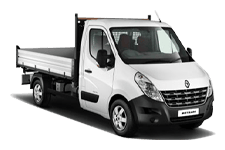
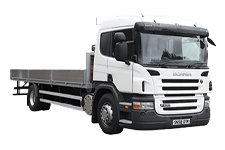
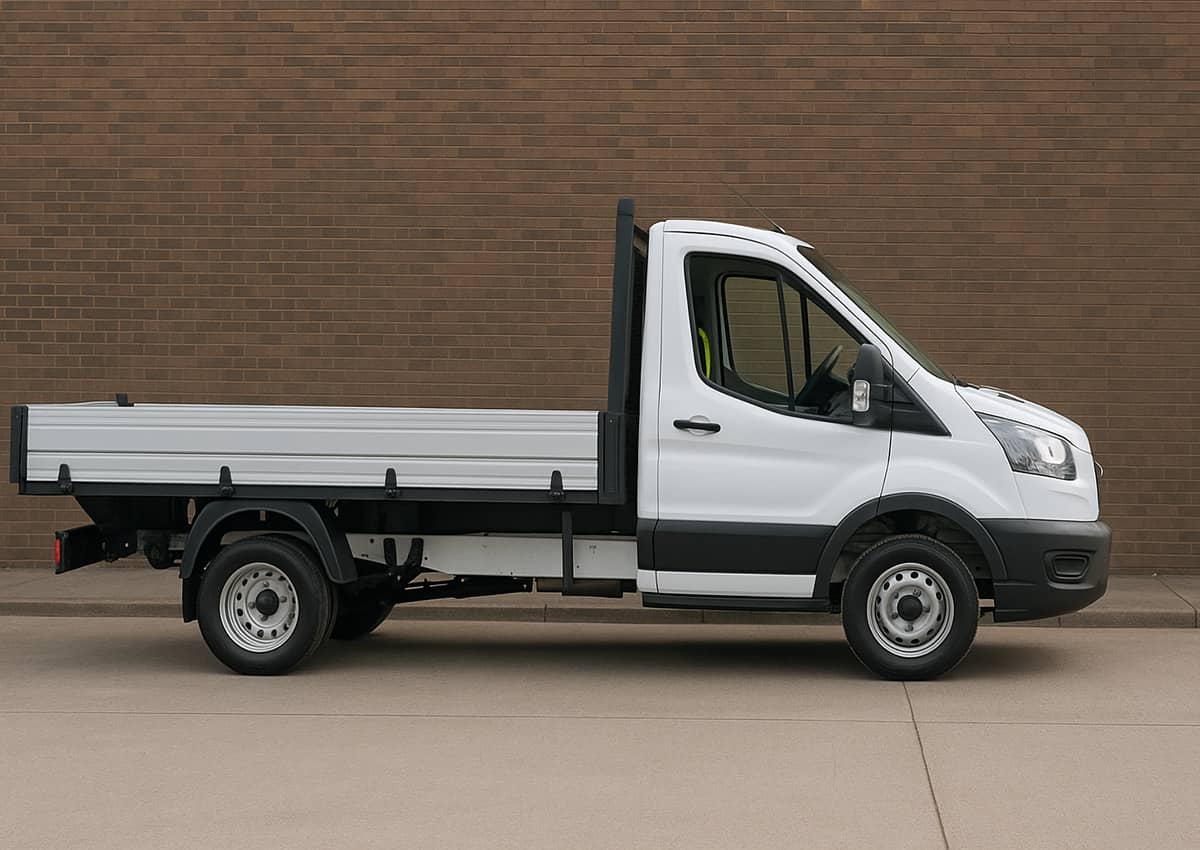
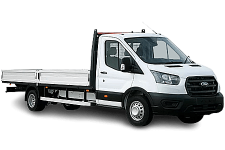
Representative flatbed truck; allocated vehicle must be confirmed

Speak to the flatbed booking team

+44 20 8154 5320

Choose from the load, not the badge

Flatbed and dropside options for Sunderland

These are representative vehicle categories. Weight class is not cargo payload: the allocated vehicle’s actual payload, bed dimensions, equipment, driver requirements and availability must all be confirmed before booking.

3 metre dropside van hire category

Flatbed and dropside category

3 metre dropside van

A compact open-bed category with folding sides for trade loads and sites where a larger lorry would be awkward.

  • timber, fencing and boards
  • bagged or palletised materials
  • tools and smaller machinery
Cargo payload
1100 kg (representative)
Bed length
3 m (representative)

The published 1,100 kg figure is representative only. Confirm the allocated vehicle's payload, bed width and load restraint.

Enquire about this vehicle
4 metre dropside van hire category

Flatbed and dropside category

4 metre dropside van

A longer open-bed category for loads that need more deck length or side access than the shorter dropside.

  • long timber and pipe
  • palletised site supplies
  • event and landscaping materials
Bed length
4 m (representative)
Bed width
2 m (representative)

Published dimensions are representative. Confirm actual payload, body dimensions and overhang rules before booking.

Enquire about this vehicle
Dropside with tail lift hire category

Flatbed and dropside category

Dropside with tail lift

An open-bed option to discuss when a suitable tail lift may help with palletised or wheeled goods.

  • palletised loads
  • wheeled equipment
  • destinations without a loading dock
Bed length
4 m (representative)
Bed width
2 m (representative)

Tail-lift capacity is not vehicle payload. Confirm both figures, platform size, pallet-truck use and unloading surface.

Enquire about this vehicle
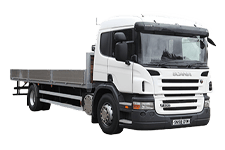
7.5 tonne dropside lorry hire category

Flatbed and dropside category

7.5 tonne dropside lorry

A larger dropside category for longer, heavier or multi-pallet loads when the route, driver and unloading plan suit a lorry.

  • scaffolding and pipe
  • multiple pallets
  • larger machinery and site supplies
Gross weight class
7.5 tonnes gross vehicle weight
Bed length
6 m (representative)
Bed width
2.35 m (representative)

C1 entitlement and possible commercial-use requirements apply. Confirm actual payload, bed dimensions and operating conditions.

Enquire about this vehicle
Phone-led matching
Discuss the load, route, access, driver and dates before a category is proposed.
Booking confirmation
Availability and final terms are confirmed during the booking process.
Address-level checks
Delivery and collection depend on the exact postcode, access and safe standing space.
Terms kept visible
Mileage, insurance, deposits and permitted use vary and must be checked for the hire.

Planning flatbed hire in Sunderland

An open-bed van or lorry makes awkward jobs simpler: fence panels, lengths of timber, pallets of blocks, a garden machine or a trade order that would never fit through the back doors of a panel van. Folding sides let you load from the kerb side or from a forklift, and you can see the whole load from the ground. For homeowners, builders and businesses across Sunderland, this page explains how to choose a sensible size, what the weight figures actually mean, and how to plan collection and drop-off so the day runs smoothly.

Every figure quoted here describes a representative vehicle category, not a promise about the unit you will receive. Before paying, ask the supplier for the allocated vehicle's plated weights, available payload, bed dimensions and included equipment, and read the hire agreement in full. Local rules on waiting and loading change, so treat any street guidance below as a prompt to check the signs on the day rather than a permission. Plan your load, your licence and your unloading spot together, and the rest tends to follow.

Start with where the materials actually are

Many open-bed hires begin at a builders' merchant, so confirm the pick-up point first. Jewson's Birtley branch page says its Sunderland branch recently closed and lists Durham Road, Birtley, Chester le Street, DH3 2QY, which is outside the city.

Ask whoever holds your goods for the live collection address, whether a vehicle your size fits their yard, and whether they load by forklift or expect hand loading. We cannot confirm stock, hours or access at any merchant, so get answers in writing, then book the hire around that slot with time to strap the load properly.

Sources: Jewson: Birtley and closed Sunderland branch

Matching the dropside to the job

A 3 metre dropside is the usual starting point for fencing, boards, bagged aggregates and small machinery. Published examples of this class quote around 1,100 kg of payload, but treat that as a guide rather than a guarantee. The 4 metre category adds deck length, roughly 4 by 2 metres in representative listings, which helps with pipe, longer timber and pallets placed end to end.

Where the load outgrows a van, a 7.5 tonne dropside lorry offers a deck of around 6 by 2.35 metres in typical specifications, along with a heavier licence requirement. A dropside fitted with a tail lift suits pallets and wheeled kit when the drop-off point has no forklift. Measure your longest item, count pallets and estimate total weight first, then pick the smallest vehicle that carries all three comfortably. A bigger truck is harder to park and harder to position for safe unloading.

Sources: Nationwide Hire UK: 3 metre dropside, Nationwide Hire UK: 4 metre dropside, Nationwide Hire UK: 7.5 tonne dropside, Nationwide Hire UK: dropside with tail lift

Gross weight, payload and your driving licence

Gross vehicle weight, also called maximum authorised mass, is the most the vehicle may weigh when fully laden, and it is normally shown on the plate or sticker. Payload is what remains once you allow for the vehicle itself, fuel, driver and passengers, so a 3.5 tonne van carries far less than 3.5 tonnes of goods. Pallets, packaging and loose tools count too, and a heavy item stacked at one end can overload a single axle even when the total looks acceptable.

A standard car licence in category B generally covers vehicles up to 3.5 tonnes maximum authorised mass. Above that, up to 7.5 tonnes, the driver normally needs C1 entitlement. Compare the categories on each named driver's licence with the plated weight of the vehicle actually allocated, and ask the supplier about any age, experience or commercial-use conditions. If you are unsure what a load weighs, a weighbridge settles the question, and remember to rebalance after any partial drop.

Sources: GOV.UK: vehicle weights explained, GOV.UK: driving licence categories, DVSA: HGV overloading basics

Securing the load and managing overhang

Official guidance is clear that a load must be safely loaded, secured for the journey and safely unloaded, so agree beforehand who is doing each part. Friction and the weight of the goods are not enough on their own, so plan a restraint method that suits the actual load and vehicle. Before loading, look over the deck, sides and anchor points for damage and confirm which rated points are meant for restraint. Rope hooks and sheeting hooks are not load-restraint anchors.

Place heavy items low and close to the headboard, spread weight evenly across the deck, and use rated straps, chocks or anti-slip matting as the load requires. Ask the supplier which equipment is included rather than assuming straps come with the hire. If timber or pipe will project beyond the rear or sides, measure it: official guidance sets marking rules and, for larger projections, advance notice. Recheck tension after the first few miles and after every stop.

Sources: DVSA: securing loads on HGVs and goods vehicles, DVSA: load securing basics, DVSA: ways to secure a load, DVSA and DfT: overhanging loads on vehicles

Waiting and loading rules in Sunderland city centre

Sunderland Council's guidance says the city-centre controlled parking zone operates Monday to Saturday, 8am to 6pm. Zone restrictions are often shown on entry signs rather than beside every stretch of kerb, so a missing time plate is not permission to stand. Read the entry and bay signs before stopping with a loaded dropside.

Park Lane Shopping Village is stricter: the council lists no loading at any time, except in a designated loading bay or parking place. Ask the recipient which bay they use and whether it takes your vehicle's length. If not, agree another lawful position beforehand and allow time to trolley goods further.

Sources: Sunderland Council: controlled parking zones

Manual or powered unloading at the recipient

Decide how the goods come off before deciding how they go on. Lowering a side and handing items down works for boards, fencing and bagged materials if you have enough people and a clear, level area. Stand the vehicle as stably as possible, keep pedestrians and passing traffic away from the working side, and never climb onto an unrestrained load to free a stuck item.

Pallets and heavy wheeled equipment usually need a forklift at the destination or a tail lift on the vehicle. A tail lift's rated capacity is separate from vehicle payload, so confirm both, along with platform size and whether a pallet truck can run on the deck and on the ground surface at the drop. Agree the arrangements with the recipient in advance: who unloads, what equipment they have, and where the vehicle can stand safely.

Sources: HSE: safe loading and unloading, Nationwide Hire UK: dropside with tail lift

What the hire agreement should tell you

Open-bed hire is flexible, but that flexibility comes with conditions. Reading a published set of hire terms before you book shows the kind of detail to look for, such as responsibility for damage and how the vehicle must be returned. Only the agreement issued by the company you actually book with applies to your hire, so treat any other terms purely as a checklist prompt.

Before paying, ask for written confirmation of the price, deposit, mileage allowance, insurance excess, driver age and licence rules, included equipment, and the collection and return address. Check whether business use or carrying waste is permitted. Photograph the vehicle at handover, note existing damage on the paperwork, and keep fuel receipts. Clear answers at the start avoid disputes when the vehicle comes back.

Sources: Third-party reference: Nationwide Hire UK terms and conditions
Full truck range

Other vehicles to ask about

If an open-bed flatbed is not the right body type, the booking team can discuss these adjacent commercial categories. Every card is an enquiry category rather than a promise that a particular model is locally stocked.

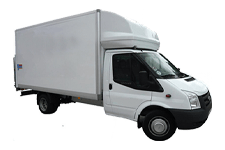
3.5 tonne Luton box with tail lift hire category

Other vehicle category

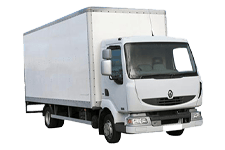
3.5 tonne Luton box with tail lift

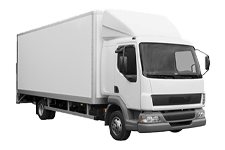
Enclosed box-body category for bulky removals and deliveries where weather protection and assisted loading matter.

Confirm internal dimensions, payload and tail-lift capacity for the allocated vehicle.

Enquire about this vehicle
3.5 tonne tipper Transit hire category

Other vehicle category

3.5 tonne tipper Transit

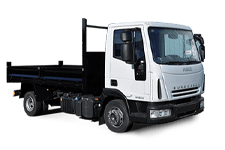
Compact tipping-body category for suitable loose materials and site work.

Waste carriage, destination acceptance, payload and tipping conditions must be confirmed.

Enquire about this vehicle
3.5 tonne recovery truck hire category

Other vehicle category

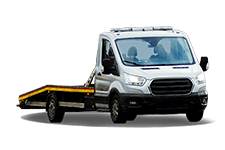
3.5 tonne recovery truck

Vehicle-transport category with a recovery bed and winch, subject to the carried vehicle's measured weight.

Confirm recovery use, bed rating, carried vehicle weight, licence and insurance before booking.

Enquire about this vehicle
7.5 tonne box truck with tail lift hire category

Other vehicle category

7.5 tonne box truck with tail lift

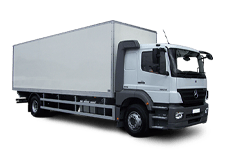
Larger enclosed-body category for commercial deliveries and removals with assisted loading.

Confirm C1 entitlement, payload, internal body dimensions and tail-lift capacity.

Enquire about this vehicle
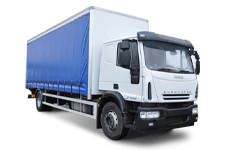
7.5 tonne curtainside truck hire category

Other vehicle category

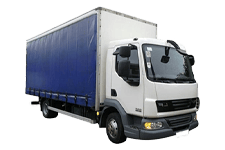
7.5 tonne curtainside truck

Curtainside body for side access to palletised goods while retaining weather protection.

Confirm C1 entitlement, payload, curtain/body dimensions and load restraint.

Enquire about this vehicle
7.5 tonne dropside truck hire category

Other vehicle category

7.5 tonne dropside truck

Open-sided lorry category for bulky building materials, timber and machinery.

Confirm C1 entitlement, actual payload, bed dimensions, route and unloading method.

Enquire about this vehicle
7.5 tonne tipper truck hire category

Other vehicle category

7.5 tonne tipper truck

Larger tipping-body category for appropriate aggregates, soil and site materials.

Confirm C1 entitlement, operator position, payload, waste rules and tipping-site conditions.

Enquire about this vehicle
7.5 tonne sleeper tail-lift truck hire category

Other vehicle category

7.5 tonne sleeper tail-lift truck

Longer-distance box or delivery category combining a sleeper cab and tail lift.

Confirm body type, sleeper provision, payload, tail-lift capacity and driver requirements.

Enquire about this vehicle
18 tonne box truck hire category

Other vehicle category

18 tonne box truck

Heavy enclosed-body category for larger commercial transport and distribution requirements.

Specialist heavy-vehicle licensing, operator, insurance and availability checks apply.

Enquire about this vehicle
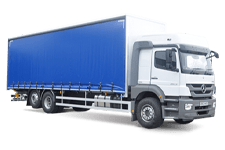
18 tonne curtainside truck hire category

Other vehicle category

18 tonne curtainside truck

Heavy curtainside category for larger palletised or industrial loads needing side access.

Confirm payload, body dimensions, route restrictions and commercial operating requirements.

Enquire about this vehicle
26 tonne curtainside truck hire category

Other vehicle category

26 tonne curtainside truck

High-capacity rigid curtainside category for substantial commercial loads.

This is a specialist heavy-vehicle enquiry; confirm all operator, driver, route and payload conditions.

Enquire about this vehicle
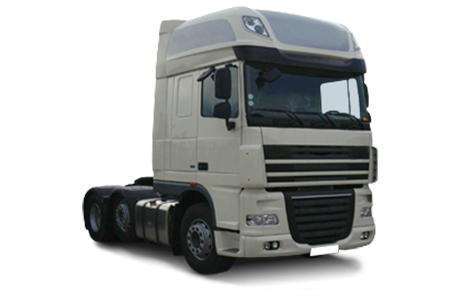
44 tonne articulated truck hire category

Other vehicle category

44 tonne articulated truck

Articulated heavy-goods category for specialist large-scale freight and long-distance commercial work.

Specialist operator, driver, site-access, route, insurance and load-planning requirements apply.

Enquire about this vehicle

Quote checklist

Have the whole job ready

A useful quote begins with the measured load and both ends of the journey.

Flatbed hire questions for Sunderland

Is there a builders' merchant yard in Sunderland where I can collect my order?

Do not assume so. Jewson's Birtley page says its Sunderland branch has closed and lists a Durham Road, Birtley address instead. Whichever merchant you use, confirm the live address, yard access for your vehicle and loading method before travelling.

Can I stop and unload outside a shop at Park Lane Shopping Village?

Council guidance lists no loading at any time there except in a designated loading bay or parking place. Ask the business which bay it uses and whether your dropside fits, and follow the signs in place on the day.

Do I need a lorry licence to drive a 7.5 tonne dropside around Sunderland?

Usually yes. Category B generally covers vehicles up to 3.5 tonnes maximum authorised mass, while vehicles above that up to 7.5 tonnes normally need C1. Check your licence against the plate on the allocated vehicle, and ask the supplier about its own driver conditions.

Does choosing a dropside with a tail lift mean I can carry heavier pallets?

No. The tail lift's rating only covers what the platform can lift, and the vehicle's payload is a separate limit. Confirm both figures for the allocated vehicle and keep the total load, including pallets and packaging, within the payload.

Are straps supplied, and how do I know I have enough for a site delivery?

Never assume restraint equipment is included; ask the supplier and get it confirmed. The right number and type of straps, chocks or matting depends on the actual load and the vehicle's rated anchor points, so plan it for each job and recheck tension during the trip.

Local sources and supporting guidance

Check current rules and the destination signs before travelling. Category specifications are examples, not allocated-vehicle guarantees.